
Beat the Heat: 7,000 Feet & 75 Degrees
Trade the triple digits for cool pine forests. Head north to Flagstaff, Williams, and the Mogollon Rim, where daytime highs stay in the 80s and nights call for a campfire. Whether you need a lakefront RV site or a cabin in the woods, find your escape here.
Escape to Elevation
Don’t let the heat ground your gear. While Phoenix sizzles, Northern Arizona transforms into a temperate paradise at 7,000 feet. This season is defined by alpine lakes, shaded trails, and cool nights perfect for campfires. Use this guide to find the best RV parks and campgrounds in Williams, Prescott, and the high-altitude corridors where summer feels like spring.
Best Base Areas for Beating the Heat
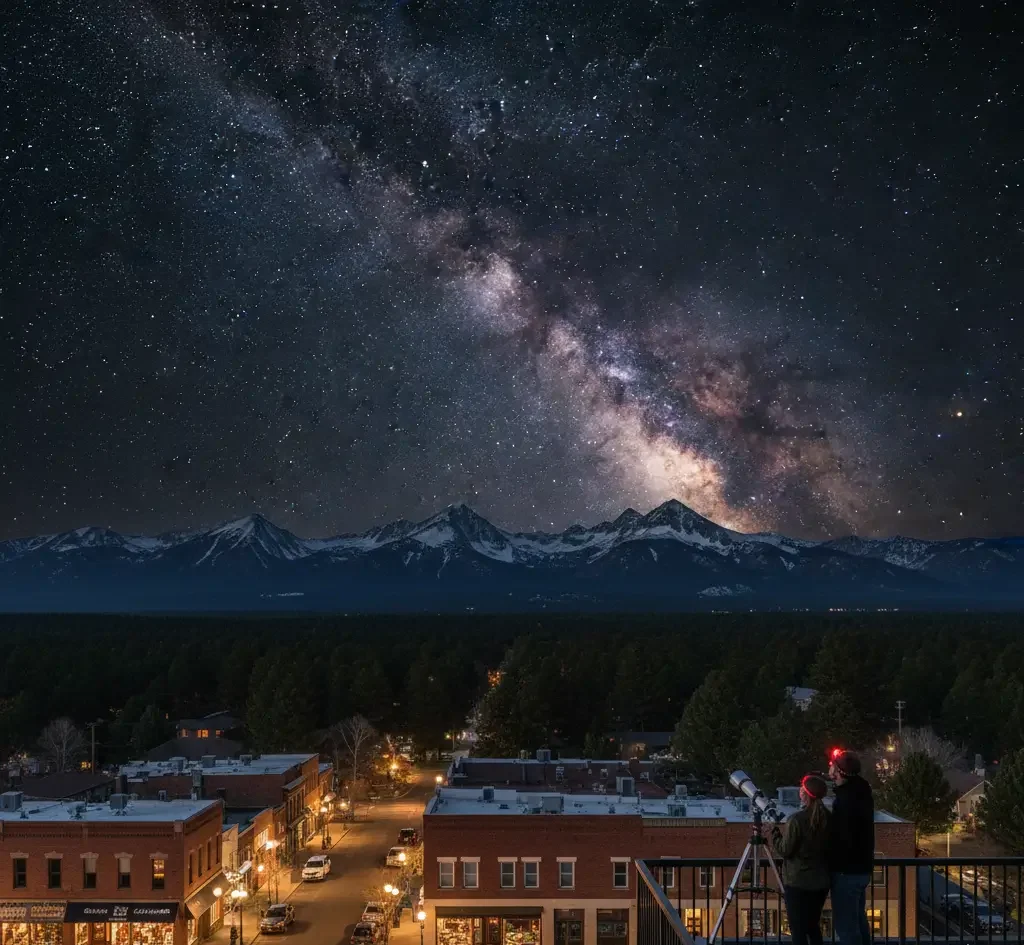
Flagstaff & Dark-Sky Country
At ~7,000 ft, summer highs are dramatically cooler than the low desert. Expect pines, trails, dark-sky stargazing, and easy day trips.
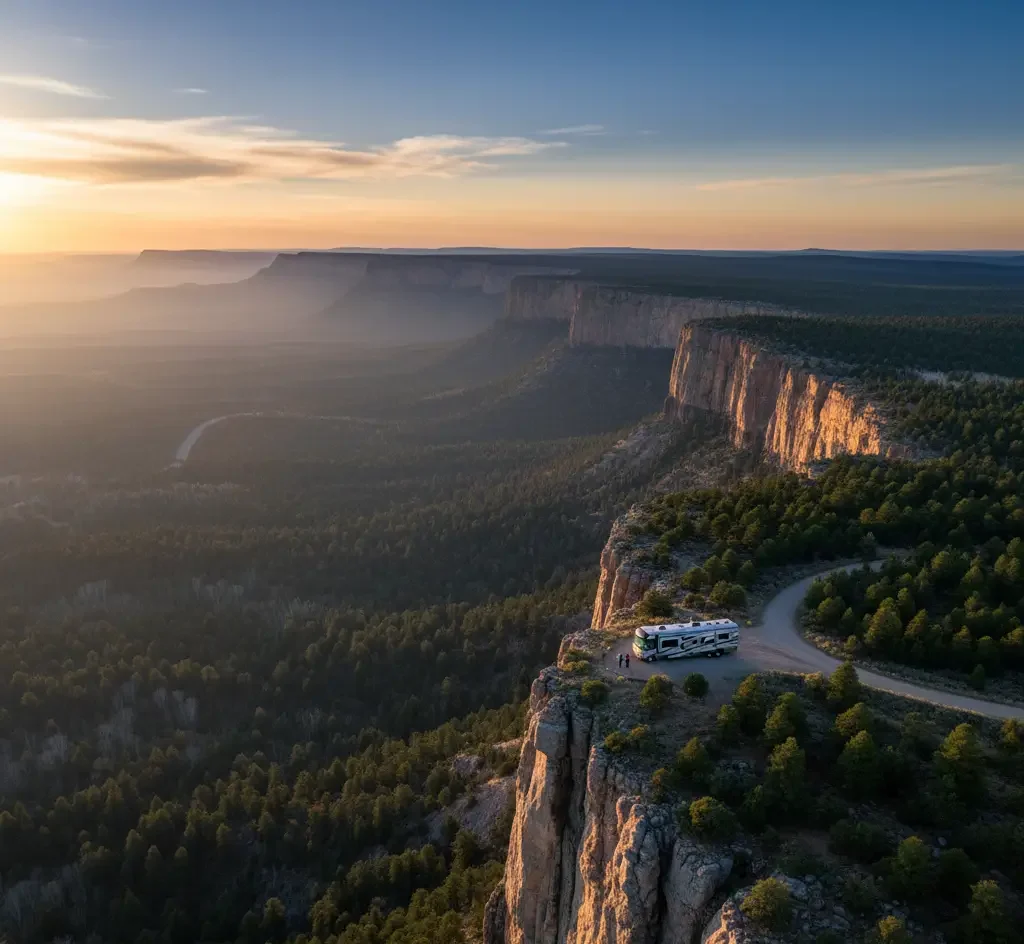
Mogollon Rim
A 200-mile escarpment forming the southern edge of the Colorado Plateau, with rim-top camp spots, lakes, and breezy afternoons above 6,000–8,000 ft.
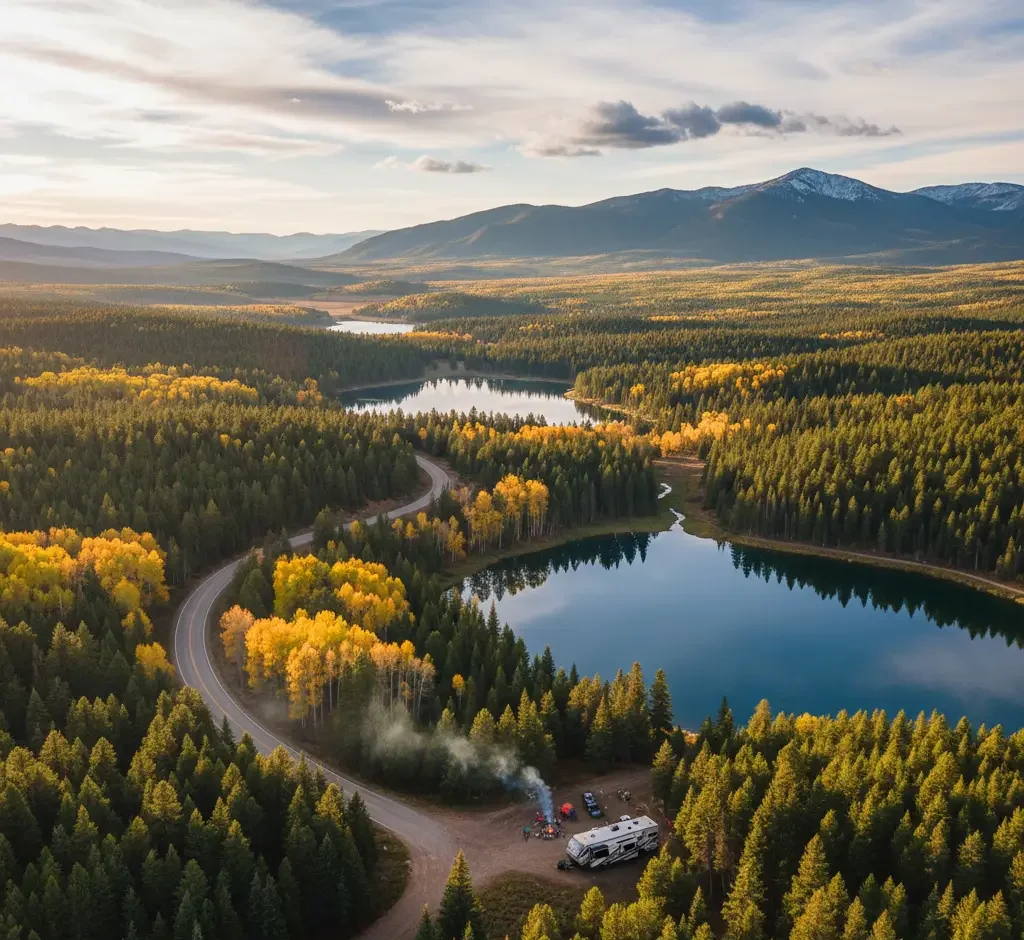
White Mountains (Show Low / Pinetop-Lakeside)
High-country hub around 6,400 ft with cool forest air, streams, and family-friendly trails.
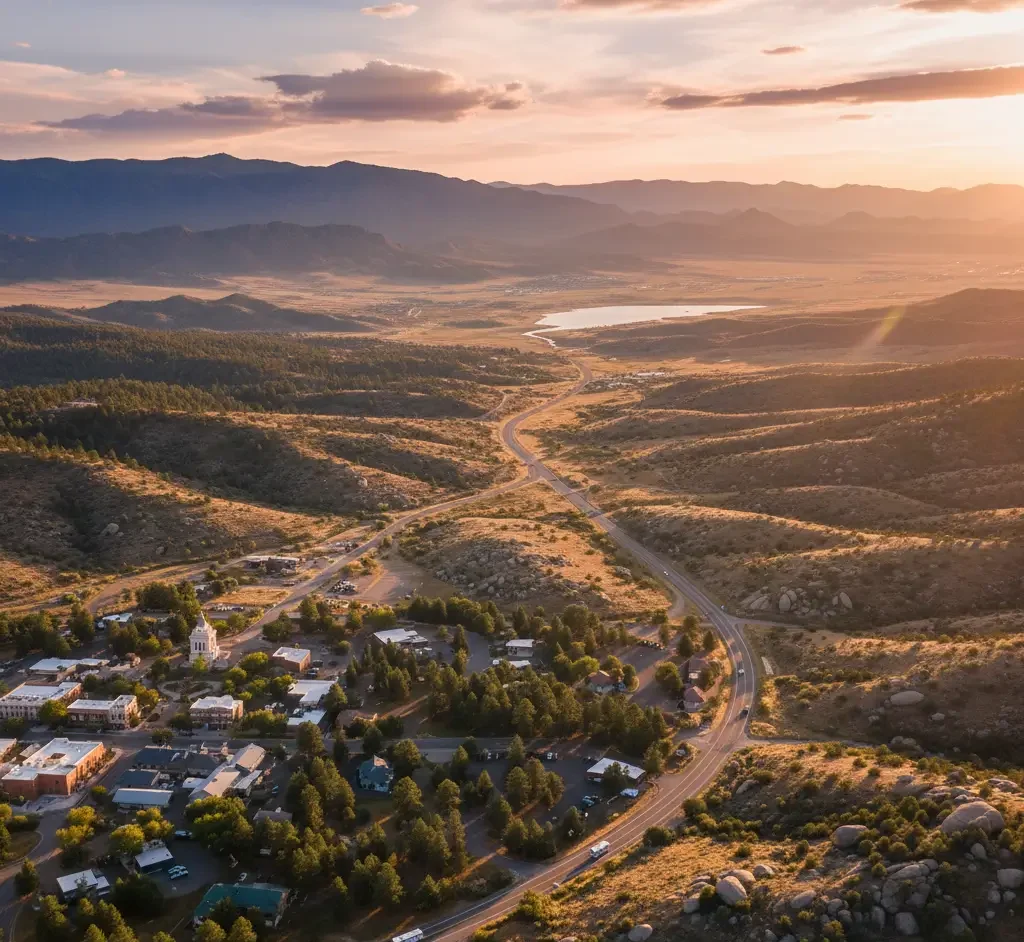
Prescott & Prescott Valley
Granite boulders, pine forests, and lakes at comfortable elevations—ideal for quick escapes from Phoenix.
Lakes & River Cool-Downs
Prefer cooling off on the water? Western Arizona puts you on the Colorado River and Lake Havasu for swimming, boating, and sunset coves. Summer water temps are swim-friendly throughout the season. Browse river & lake parks with boat-trailer parking and ramp access.
Why campers choose the river
- Easy boat-ramp access and trailer parking at many private parks (check listings).
- Social coves, sandy beaches, and warm water for all-day swims.
- Night air stays mild for patio dinners and stargazing.
What to Expect: June • July • August
June
Long days, drier air early; high-country trails are fully open. Desert temps can be extreme—start early or base up north.
July
Monsoon moisture often arrives; afternoon storms build quickly with lightning and localized downpours. Enjoy cool mornings and plan midday breaks.
August
Peak monsoon continues; expect vivid sunsets, occasional dust storms in the south/central deserts, and great night skies up north.
Monsoon Alert: For current lightning and storm tracking, visit the National Weather Service live monsoon page.
Summer Safety Essentials in Arizona
Heat Safety
Stay cool, drink water, know symptoms. Arizona’s health department and CDC recommend staying hydrated, limiting midday activity, and learning heat-illness signs. If someone shows heatstroke symptoms, call 911.
Monsoon/Dust
Storms can form fast. If you see a dust wall or can’t avoid it, Pull Aside, Stay Alive—exit traffic lanes, turn off lights, and wait it out.
Fire Restrictions
Check current restrictions. Fire rules change with conditions; always verify before you light anything.
Grand Canyon planners: The North Rim typically opens mid-May in normal years, but 2025 wildfire damage caused extended closures and limited reopening updates—always check the NPS page before you go..
Pick Your Summer Stay
Cabins in Northern Arizona
Turn-key comfort in the pines; great Wi-Fi options for work-and-play weeks.
Wi-Fi Verified & Remote-Work Friendly
Strong connectivity, Starlink-friendly pads, quiet zones.
Big-Rig Friendly & Pull-Through Sites
Easy arrival after long drives; shaded pads where available.
Trip Ideas to Copy
The Flagstaff Base (4 nights)
Book a shaded site or cabin near trails. Day-trip to Walnut Canyon or Wupatki; grab an evening gelato in town; stargaze at a dark-sky friendly park.
Rim Lakes Weekend (2–3 nights)
Launch kayaks before lunch, nap through the afternoon breeze, and walk to a sunset viewpoint.
River & Lake Havasu (3 nights)
Park the boat trailer with ease, hit an early morning run, and swim until sunset—water stays warm all summer.
Smart Summer Packing
- 3–4L water per person per day; electrolyte packets (heat safety). CDC
- Sun gear: UPF shirt, wide-brim hat, high-SPF sunscreen.
- Footwear: trail shoes with grippy soles (monsoon storms can slick trails).
- Flashlight/red-light headlamp for dark-sky etiquette.
- Printed directions in case of cell dead zones.
- Small first-aid/heat kit (instant cold packs, oral rehydration).
Frequently Asked Questions
Where are the coolest places to stay in Arizona in summer?
High-elevation regions such as Flagstaff (~7,000 ft), the Mogollon Rim (6,000–8,000 ft), and the White Mountains (~6,400 ft) run much cooler than low-desert cities. Start with parks in those areas.
When is monsoon season?
The North American monsoon in Arizona is tracked from June 15–Sept 30, bringing lightning, downpours, and dust storms. Plan around afternoon storms.
Are campfires allowed in summer?
Fire restrictions change with conditions. Always check the AZ Interagency Fire Restrictions page or the relevant forest/BLM office before you go.
Is the Grand Canyon North Rim open in summer?
In typical years it opens around May 15 and runs into fall; 2025 wildfires affected access—always check current NPS updates.
What are Lake Havasu water temps in summer?
Commonly mid- to upper-80s°F and can hit 90°F+, ideal for swim days.
Any special driving tips for dust storms?
Yes—ADOT’s rule is Pull Aside, Stay Alive. Don’t enter a dust wall; if caught, pull fully off the road, lights off, brake off, and wait.
Head for the High Country
Escape the triple digits. Just two hours north of Phoenix, the temperature drops by 30 degrees. Trade the cactus for pine trees in Flagstaff, the White Mountains, and the Mogollon Rim. Enjoy 75-degree days, cool nights, and fresh mountain air.